
- Training
- Service
- Promotion
- Schedule
- Testing Center
- News
- Contact


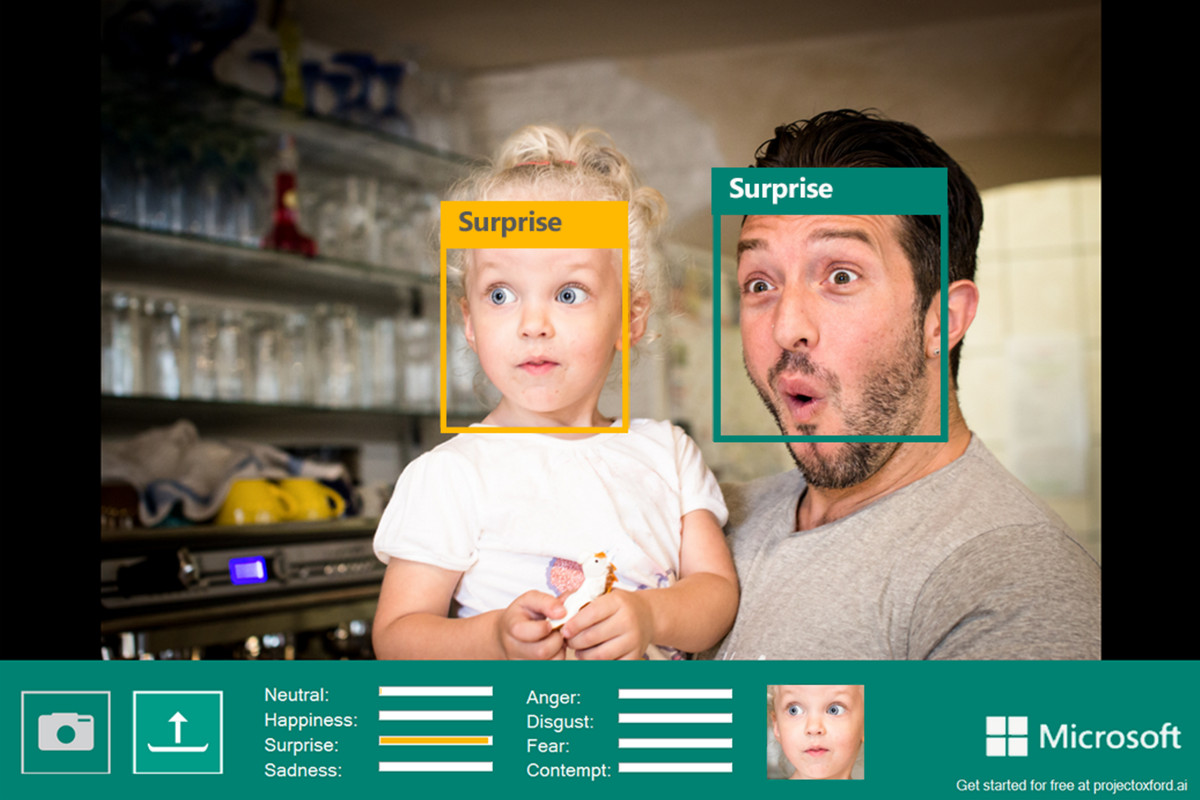
Microsoft is phasing out public access to a number of AI-powered facial analysis tools — including one that claims to identify a subject’s emotion from videos and pictures.
The “emotion recognition” tools have been supported by experts. They say not only do facial expressions that are thought to be universal differ across different populations but that it is unscientific to equate external displays of emotion with internal feelings.
“Companies can say whatever they want, but the data are clear,” said Lisa Feldman Barrett, a professor of psychology at Northeastern University who conducted a review into the subject of AI-powered emotion recognition. “They can detect a scowl, but that’s not the same thing as detecting anger.”
The decision is part of the company's updated Responsible AI Standard that emphasizes accountability for figuring out who uses its services and tight oversight. more closely human to where these tools apply.
In practical terms, this means that Microsoft will limit access to some features of its facial recognition service (called Azure Face) and remove others entirely. Users will have to sign up to use Azure Face for facial recognition, for example, telling Microsoft exactly how and where they will deploy their system. Some of the less potentially harmful use cases (like automatically blurring faces in images and videos) will remain open access.
In addition to removing the public's access to its emotion recognition tool, Microsoft also stopped being able to identify "attributes such as gender, age, smile, face, hair, and makeup" of users. Azure Face.
Natasha Crampton Chief AI Officer at Microsoft.“Experts inside and outside the company have highlighted the lack of scientific consensus on the definition of 'emotion', the challenges in making conceptual inferences. across use cases, regions and demographics, and growing privacy concerns around this type of capability,"
Microsoft said it will stop offering these features to new customers as June 21, while existing customers will have access revoked on June 30, 2023.
However, while Microsoft has discontinued public access to these features, it will continue to use them in at least one product of its own: an app called See AI that uses machine vision to describe world for the visually impaired.
Sarah Bird, Microsoft's lead group product manager for Azure AI, said that tools like emotion recognition "can be valuable when used for a controlled set of accessibility scenarios". It is not clear if these tools are used in any other Microsoft products.
Microsoft is also rolling out similar restrictions on its Custom Neural Voice feature, which allows customers to create AI voices based on recordings of real people (sometimes called deep audio).
Bird writes, “has exciting potential for education, accessibility and entertainment, but she notes that it is also easy to envision how it could be used to impersonate a speaker and mislead listeners’’. Microsoft says that in the future, it will limit access to this feature to managed customers and partners and ensure active participation of speakers when creating a synthetic voice.
Source: https://www.theverge.com


